Trending

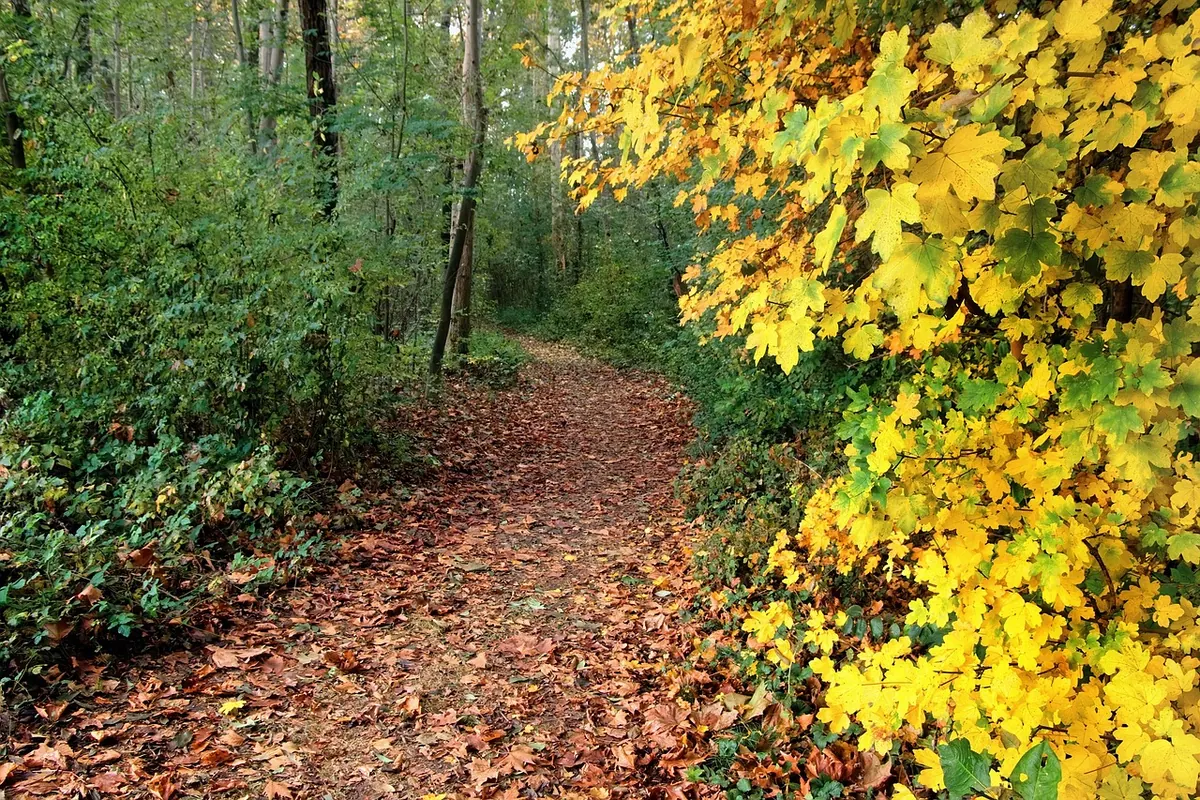
Autumn birding on the coast has a rhythm of its own. A warm, still September afternoon can feel almost empty; then a night of north-easterly wind and drizzle passes, and the same clifftop bushes are suddenly full of redstarts, whinchats and pied flycatchers that were over the North Sea only hours before. Knowing which stretch of coast to walk, and when to walk it, is most of the skill.
Headlands, coastal scrub and estuaries each do a different job for migrating birds, and each rewards a different approach. Here is how to use all three through September and October, whether you have a full day on a famous headland or two hours on a local path.
Britain sits on the eastern edge of the Atlantic, and in autumn it becomes the first solid ground for birds leaving Scandinavia, the Baltic and Arctic Russia. Most fly at night, navigating by stars and a magnetic sense. If the wind pushes them west or a weather system blocks them, dawn finds them on the nearest coast.
Headlands gather birds, clifftop scrub feeds them and estuaries refuel them. That is why a scruffy strip of willow and nettles behind a car park can outperform a beautiful inland wood in late September. The coast does not need to be spectacular to be good.
Timing matters more in autumn than in any other season. The classic combination is high pressure over Scandinavia or the Baltic with a light to moderate east or north-east airflow, carrying birds across the North Sea towards our shores. Add rain, drizzle or low cloud and they are forced down — often into the first bushes just inland of the cliff edge.
Cold fronts do something different. A sharp front sweeping south in October often brings visible waves of thrushes and finches: redwings and fieldfares from Scandinavia, bramblings, chaffinches, snow buntings along the shore.
Three rules of thumb:
Wind direction on the day decides how you walk. Facing into the wind keeps the sun behind you and the birds in front.
Headlands jutting into the North Sea, Irish Sea or English Channel are the best-known autumn watchpoints, and for good reason: birds exhausted from a sea crossing tend to hit the first land they see. Flamborough Head and Spurn in Yorkshire, the Norfolk coast around Holme and Blakeney, Dungeness and Sandwich Bay in Kent, Portland Bill in Dorset, Strumble Head in Pembrokeshire and Bardsey off the Llŷn all earn their reputations. Fife Ness and Girdle Ness do similar work in Scotland.
Where exactly? Not the car park, and not the windswept cliff edge itself. Head for the first sheltered vegetation behind it: walled gardens, old coastguard cottages, sycamore clumps, gorse, patches of willow, even a single lonely elder. On a good morning the birds concentrate in a handful of bushes, and one bush may hold three or four species.
Most autumn migrants are skulkers. They have just flown several hundred kilometres and want food and cover, not attention. Redstarts flick through sycamore canopies, whinchats sit upright on fence wires, yellow-browed warblers call from the top of a willow, and wrynecks and red-backed shrikes prefer bare branches and posts where they can watch for insects.
Work cover slowly. Walk one side of a hedge, then the other, using your ears as much as your binoculars — contact calls and ticking give birds away before you see them. A soft squeak can bring curious birds into the open, but use it sparingly, never repeatedly on the same bird.
Habitat worth a second pass:
Estuaries work on a different clock. As the tide rises, waders and wildfowl are pushed off the mud and gather into roosts on saltmarsh, shingle spits and the last few metres of shoreline. Two hours either side of high tide is usually the productive window, and the concentration can be extraordinary: dunlin, knot, grey plover, bar-tailed godwit, curlew, plus shelduck, wigeon and teal arriving for winter.
Autumn is also when geese return. Pink-footed geese come in from Iceland and Greenland, brent from the Arctic, and both announce themselves long before you see them. A high, yapping skein over a marsh at dusk is one of the season's great free shows. Look too for ospreys fishing on passage in September, and peregrines working the wader flocks — when everything lifts at once, something has arrived.
Migration hotspots are often sensitive places, frequently Sites of Special Scientific Interest or nature reserves with nesting birds, fragile saltmarsh and shifting dunes. Stay on marked paths, keep dogs on leads and well away from roosts, and do not use playback to pull scarce birds closer — it costs them energy they cannot spare. If a bird keeps flushing, you are too close.
Coastal safety is straightforward but easy to forget. Check tide times and never let a rising tide cut off a headland; cliffs erode, so the edge is rarely where the map says; wet rock and mud are treacherous, and phone signal is patchy on many headlands. Tell someone your route and expected return time.
Give yourself the first two hours of daylight. Most migrants arrive overnight, and the earliest hours are when they are most active and least disturbed. Walk out into the wind and back with it, so the sun sits behind you on the outward leg.
Pack for weather that changes:
Keep a simple record: date, wind direction, weather, what you saw and where. Patterns show up surprisingly quickly — the same stretch of scrub tends to produce the same species in the same conditions, year after year. That is the quiet pleasure of coastal autumn birding: not ticking a rarity, but learning one small piece of coast well enough to sense when it is about to come alive.
Photo: Camera-man / Pixabay