Trending

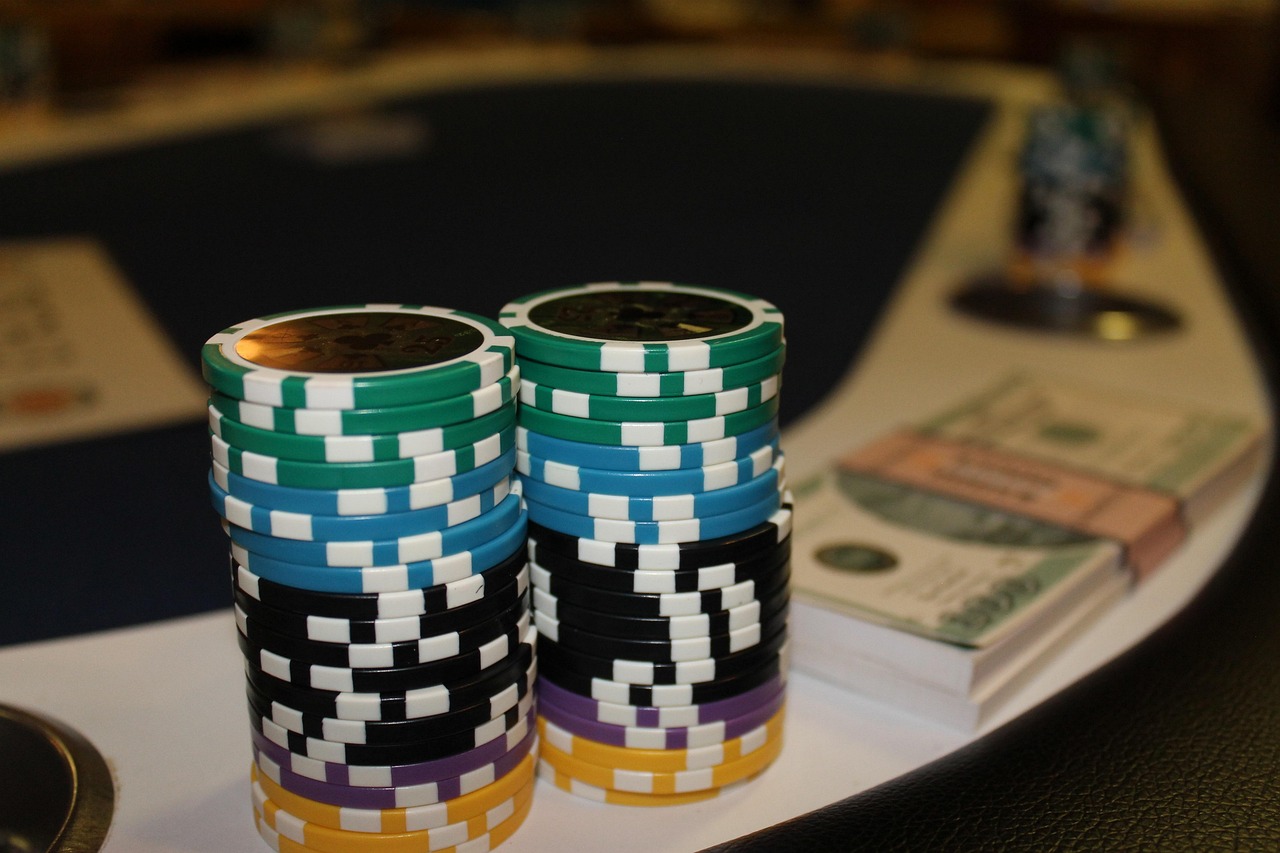
Every gambler hits that fork in the road eventually. You've got $500 set aside for the month, a fresh login bonus sitting in your account, and two very different temptations staring back at you: the flashing reels of a video slot or the felt-lined silence of an online poker table. The marketing teams behind both will tell you they're the smart choice. Only one of them is right — for you, specifically.
I've spent the better part of a decade watching players make this decision badly. Not because they're stupid, but because nobody ever explained the actual math, the actual psychology, and the actual time commitment behind each option. Let's fix that.
Numbers first, because feelings lie. Modern video slots typically carry an RTP (return to player) between 94% and 97%. That sounds almost fair until you remember it's calculated over millions of spins. A 96% RTP slot means the casino keeps $4 of every $100 wagered, on average, forever. Your session is a tiny sample inside that average, which is why volatility matters more than RTP for short-term play. A good place to continue is http://good88.gives.
Poker is structurally different. In a cash game, you're not playing against the house — you're playing against other humans, and the house takes a rake. At a typical $1/$2 no-limit table online, the rake sits around 5% capped at $3 per pot. A skilled player can realistically achieve a positive win rate of 3 to 8 big blinds per 100 hands. An unskilled player will lose far more than they would at a slot machine, because they're bleeding to opponents who outthink them.
So the question isn't "which has a better edge?" It's "which edge can you actually capture?"
Here's what the comparison articles never mention: these games demand completely different things from your brain. Slots are passive. You press a button, dopamine fires, repeat. That's the appeal — no decisions, no pressure. But it's also why slot sessions tend to stretch longer than planned. The absence of cognitive load makes time disappear.
Poker is the opposite. Every hand is a puzzle with incomplete information. You're tracking bet sizing, timing tells, stack depths, and opponent tendencies. A three-hour session of multi-tabling cash games will mentally exhaust you in a way that 500 slot spins never will. If you want to unwind after work, forcing yourself into a GTO solver mindset is a great way to make the experience feel like a second job.
My rule of thumb: choose slots when you want entertainment, choose poker when you want engagement, and never confuse the two. The worst outcomes happen when people play slots hoping to grind out a profit or play poker hoping to relax. Both are recipes for resentment.
Whatever you pick, the money rules are the same. Set a session bankroll, a weekly bankroll, and a monthly ceiling — and treat them like separate firewalls.
For poker players specifically, the classic guideline is 20 buy-ins for cash games and 50 to 100 buy-ins for tournaments. If you're playing $1/$2 with a $400 bankroll, you're one bad night away from being forced to move down in stakes — which is emotionally worse than losing the money.
Online casinos and poker rooms both throw welcome offers at you, but the fine print differs enormously. A 100% match bonus up to $500 on slots might sound generous until you read the wagering requirement: 40x the bonus, meaning $20,000 in spins before you can withdraw a cent. At a 96% RTP, the expected loss on that clearance is roughly $800. The bonus is worth less than zero.
Poker rakeback is cleaner but smaller. Dealers' choice sites typically return 20-40% of rake paid, which rewards volume grinders rather than casual players. If you play 20,000 hands a month at $1/$2, that's meaningful money. If you play twice a week, it's coffee change.
One tip that's saved me more than any bonus code: always check a game's RTP, rake, and wagering terms before depositing, not after. Ten minutes of reading beats three hours of regret.
Honest self-assessment is the real skill here, not bankroll math.
There's no shame in either answer. The shame is pretending you're a grinder when you're a recreational player, or vice versa. Pick the game that matches the version of yourself that shows up on a Tuesday night after a rough day at work — that's the version that actually plays.
Slots and poker aren't competitors fighting for the same dollar; they're different products solving different problems. One sells entertainment with a fixed, unbeatable tax. The other sells a skill contest where the tax is variable and the ceiling is high, but only for players willing to put in the work. Your bankroll should go wherever your edge — or your honest desire for fun — is strongest. Figure out which one you actually are this year, and the rest of the decisions get a whole lot simpler.