Trending

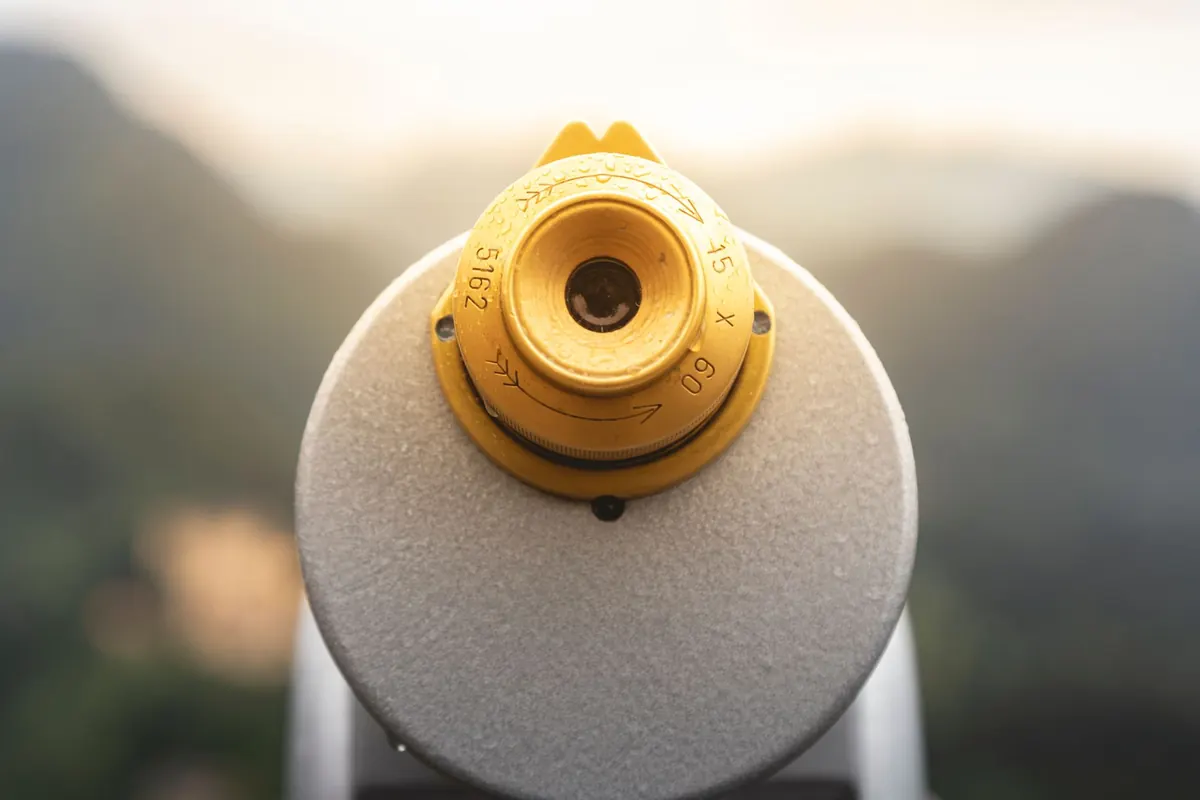
Walk into any reserve car park and you will see the same two numbers repeated on binoculars hanging round necks. 8x42 and 10x42 have become the default choice for British birdwatchers, and for good reason: both are bright, manageable and versatile. The gap between them looks tiny on paper, but it shows up quickly in the field — in how fast you find a warbler, how steady a distant diver looks, and how much you can still see at dusk. Here is what the difference means in practice on woodland paths, wetland hides and coastal headlands.
Every binocular specification works the same way. The first figure is magnification; the second is the diameter of the objective lens, the big glass at the front, measured in millimetres. So 8x42 means eight times magnification with a 42mm lens, and 10x42 means ten times magnification with the same 42mm lens.
Because the objectives are the same size, both gather a similar amount of light. The difference lies in how that light is spread. Divide the objective by the magnification and you get the exit pupil, the width of the beam leaving the eyepiece. On an 8x42 that is 5.25mm; on a 10x42 it is 4.2mm. A wider exit pupil is more forgiving, both in dim light and in how easily your eye lines up with the eyepiece.
The other figure worth knowing is field of view, usually printed as metres at 1,000 metres or as degrees. An 8x42 typically shows a noticeably wider slice of the world than a 10x42. That is less about optical design than about magnification itself: the more you magnify, the narrower the view.
For most people starting out in the UK, 8x42 is the safer all-rounder. The wider view makes it far easier to follow a bird you have just spotted, which is the most common beginner frustration: you notice a movement in the hedge, raise the binoculars, and find only leaves. That extra width is often the difference between a clear look at a blackcap and a minute of scanning an empty shrub.
The larger exit pupil helps in the gloom of a British winter afternoon and under a woodland canopy, where 10x42s begin to look grey. Depth of field is more generous too, so there is less fiddling with the focus wheel between branches. Because the magnification is lower, hand shake is less obvious — which matters when you are tired, cold, or holding the binoculars one-handed while leaning on a gate.
Ten times magnification earns its keep when the bird is genuinely far away. On a big estuary, a gravel pit or a stretch of open sea, the extra reach turns a distant smudge into something identifiable. Counting waders in a roosting flock, watching a diver, or reading a colour ring on a gull — the 10x42 has the advantage.
The trade-offs are real. A narrower view means finding the bird takes longer. A smaller exit pupil means the image dims earlier in the evening. And shake is more visible, exaggerated by wind and cold. Some people simply cannot hold ten power steady for long, however good their technique.
Close, cluttered and often shaded. Birds move fast, twigs get in the way, and the light is patchy. This is 8x42 territory. The wider view and deeper depth of field mean fewer missed birds, and the brighter image helps under a full canopy. If you walk woodland rides or spend most of your time on footpaths through scrub, choose eight power.
Reserve hides and wetland edges are the middle ground. Wildfowl usually sit at moderate range in flat, open light. An 8x42 handles this comfortably, and if you arrive early or stay until dusk, the bigger exit pupil keeps the image usable for longer. Ten power is tempting for ducks at the back of a lagoon, but a good 8x42 is often the more pleasant tool on a grey morning.
This is where 10x42 pulls ahead. Headlands and sea walls put birds hundreds of metres out, and the extra magnification gives you a fighting chance with gannets, auks and skuas. Two caveats: sea wind makes shake worse, and a narrow view makes a fast-moving bird harder to pick up. If the coast is an occasional trip, 8x42 will still do. If you seawatch regularly, ten power — ideally supported on a tripod or resting on a wall — makes more sense.
Specifications on a box tell you less than ten minutes with the binoculars in your hands. Ask to take a pair outside, then work through this:
Beyond magnification, these details shape day-to-day use more than you might expect:
If you want a single answer: buy 8x42 as your first pair, particularly if you walk woods, hedges and mixed countryside, or if you plan to be out in the last hour of daylight. Add a 10x42 later if you find yourself regularly staring at distant waders or scanning the sea. Between them, those two cover almost everything a UK birder meets.
If you are choosing between a cheap 10x42 and a better 8x42 at a similar price, take the 8x42. Optical quality, coatings and build matter more than the extra two times magnification, and you will use a comfortable, bright pair far more often.
Finally, buy from somewhere you can return to with questions, and take the binoculars out on the walk you actually do. A pair that stays in a cupboard because it is heavy or awkward helps nobody. On the path, the best binoculars are the ones you remember to bring.
Photo: Alvaro Tejero / Pexels