Trending

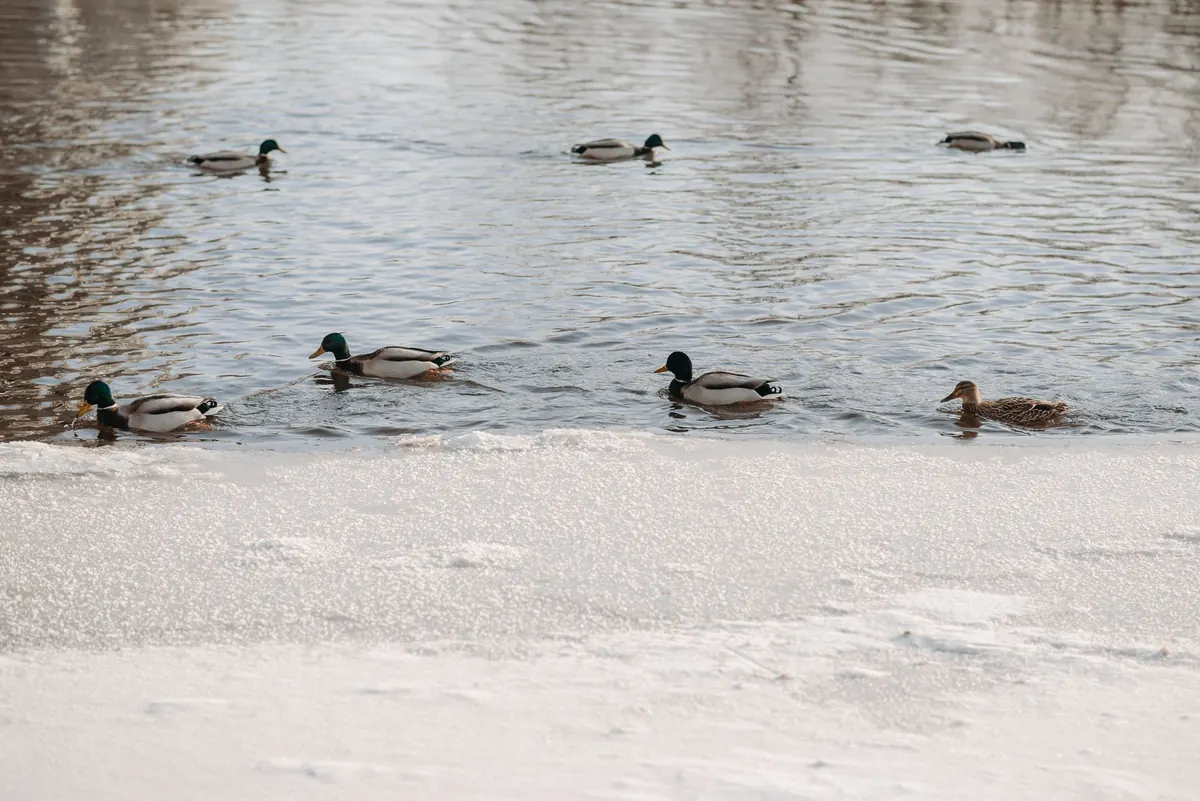
The first hard frost of the year does something remarkable to a British wetland. Water that was quiet in October begins to fill with whistles, ripples and the low honk of geese. Overwintering wildfowl arrive from the north and east, and a familiar lake or estuary can suddenly hold hundreds of birds. Counting them is a simple pleasure — and a genuinely useful one. You need binoculars, a notebook and a little patience.
As northern Europe and the Arctic freeze, ducks, geese and swans move south and west to milder coasts and lowlands. The UK sits at a crossroads of these migration routes. Our estuaries, shallow lakes, flooded fields and reservoirs offer ice-free water, shelter from the wind and reliable food: eelgrass, seeds, invertebrates and grass.
Different species want different things. Dabbling ducks tip up in shallow water. Diving ducks chase fish and molluscs in deeper lakes. Geese graze on wet grassland by day and roost on estuaries or large lakes at night. A cold snap can push birds inland, so a reservoir that was empty last week may be busy tomorrow. The best months are usually November to March, with peak numbers in midwinter.
Weather patterns matter, too. A hard freeze in the Netherlands or Denmark can send thousands of birds across the North Sea in a single night. When the wind turns easterly, birders along the east coast often find unexpected species. Conversely, a mild winter may leave many birds further east, and familiar wetlands can feel strangely empty. That variability is exactly why long-term counts are so valuable.
Wigeon are the whistlers of the wetland, with chestnut heads and cream crowns on the drakes. They graze on grass and often mix with Teal, which are small, fast and show a green wing patch. Shoveler have enormous bills for filtering plankton. Pintail are elegant and long-tailed. Gadwall are quietly grey and easy to overlook. On deeper water, look for Tufted Duck with their dangling tufts, Pochard with red heads, and Goldeneye with a round white cheek patch. Goosander and Red-breasted Merganser are fish-eaters, often seen diving in reservoirs. Smew are scarce but worth checking for: small, white and black, like a floating piece of ice.
Other ducks repay attention. Scaup can appear on larger lakes and estuaries, looking like Tufted Duck but with a grey back and no tuft. Common Scoter gather offshore in dark rafts, while Velvet Scoter are rarer and show a white wing bar in flight. Shelduck are striking black, white and red, often feeding on mudflats. Mandarin and Egyptian Goose are feral but increasingly familiar on park lakes and rivers. If you see a duck you cannot identify, sketch it, note the bill shape, and check a field guide later.
Pink-footed Geese arrive in large flocks from Iceland and Greenland, grazing fields by day and roosting on estuaries. They have pink legs and a short, dark bill. Brent Geese are small, dark and compact, often feeding on eelgrass in coastal bays. Greylag, Canada and Barnacle Geese are more familiar, but winter still brings good numbers. White-fronted Geese are scarcer; look for a white patch at the base of the bill.
Goose flocks are best counted when they are settled and feeding. If they take flight, try to count them in groups as they pass overhead. Listen for calls: Pink-footed Geese have a high, yapping note, while Greylags sound more like farmyard geese. Brent Geese are often heard before they are seen, with a soft, rolling rronk.
Whooper Swans come from Iceland, while Bewick's Swans travel from the Russian Arctic. Both have yellow and black bills, but Whoopers are larger with a yellow wedge, and Bewick's are smaller with a smaller yellow patch. Mute Swans stay year-round. Listen for the whooping call of Whoopers and the softer, higher notes of Bewick's.
Bewick's Swans are now much scarcer in the UK, and a winter count that finds even a handful is noteworthy. Check family parties: grey-brown juveniles can help you see how successful the breeding season was. Whooper Swans often feed on fields by day and return to shallow water to roost, so scan both habitats.
Counting is not about getting a perfect number. It is about producing a consistent, repeatable record that can be compared with other counts. A few habits make a big difference.
If you are new to counting, start with a small pond or a single bay. Accuracy grows with familiarity. Many local bird clubs and the British Trust for Ornithology (BTO) run counts such as the Wetland Bird Survey (WeBS), which welcomes volunteers. You do not need to be an expert: you need to be willing to look carefully and write things down.
Wildfowl are wary, and the way you approach a wetland can make the difference between a full count and an empty page. Walk slowly, keep your silhouette low, and use hedges, banks or hides as cover. If birds are already alert — heads up, necks stretched — stop and wait. They often settle again within a few minutes.
Light matters. With the sun behind you, colours and bill patterns are easier to see. With the sun in front, birds become silhouettes, which is fine for counting but poor for identification. Wind direction also matters: it is usually better to approach into the wind so your scent does not carry to the birds. On estuaries, watch the tide. As the water rises, birds are pushed closer to shore, which can concentrate them into countable groups. But rising water can also flood your route, so always check tide tables.
Learn the jizz — the overall impression of a bird's size, shape and behaviour. A Wigeon's rounded head and small bill look different from a Teal's neat, compact profile. A Goldeneye's steep forehead and round white cheek patch are distinctive even at distance. With practice, you will identify many birds before you see fine details.
Winter is hard on birds. They have travelled hundreds or thousands of kilometres and must spend the short days feeding. Every unnecessary flush costs energy. Keep your distance, stay on paths and rights of way, and avoid walking onto mudflats or into roosts. If you are with a dog, keep it under close control or leave it at home. Drones are a particular problem: they can cause panic in flocks and are illegal in many sensitive areas.
Safety matters, too. Wetland edges are cold, muddy and often tidal. Wear wellingtons with good grip, carry a torch, and tell someone where you are going. Do not enter soft mud or fast-moving water. In winter, a fall into cold water can quickly become an emergency. A mobile phone in a waterproof pouch is a sensible precaution.
Counts are not just a personal challenge. They are data. Long-running schemes such as WeBS track how wildfowl populations change across the UK, helping conservationists identify declines, protect important sites and argue for better habitat management. Your local patch may be small, but when thousands of counts are combined, patterns emerge. You can also contribute to citizen science projects, record your sightings on bird recording apps, and send counts to your county bird recorder. Over time, your notebook becomes a valuable record of when species arrive, how long they stay and how numbers fluctuate with weather.
So wrap up warm, choose a still morning after a frost, and find a place where the water is shallow and the light is good. Listen for the whistles, watch for the white wing patches, and start counting. The birds have come a long way. The least we can do is notice them.
Photo: Pavel Danilyuk / Pexels